
When it comes to tile showers, waterproofing is essential to avoid costly repairs down the line. You can start by selecting the right materials and following proper installation techniques. But it’s not just about the initial setup; ongoing maintenance plays an important role too. Curious about the best practices for ensuring your tile shower stays leak-free and mold-resistant? Let’s explore the essential tips that’ll keep your shower in top shape.
Key Takeaways
- Prioritize a pre-sloped shower pan to ensure effective drainage and prevent water pooling.
- Seal all seams and joints with high-quality waterproof caulk or membrane to eliminate leak risks.
- Choose the appropriate waterproofing membrane, considering seamless liquid membranes for complex shapes or durable sheet membranes for commercial use.
- Conduct thorough leak tests, such as the bucket test or dye test, before tiling to catch potential issues early.
- Regularly inspect and maintain grout and sealant, applying sealants every 6 to 12 months to preserve waterproofing integrity.
Essential Waterproofing Techniques for Tile Showers
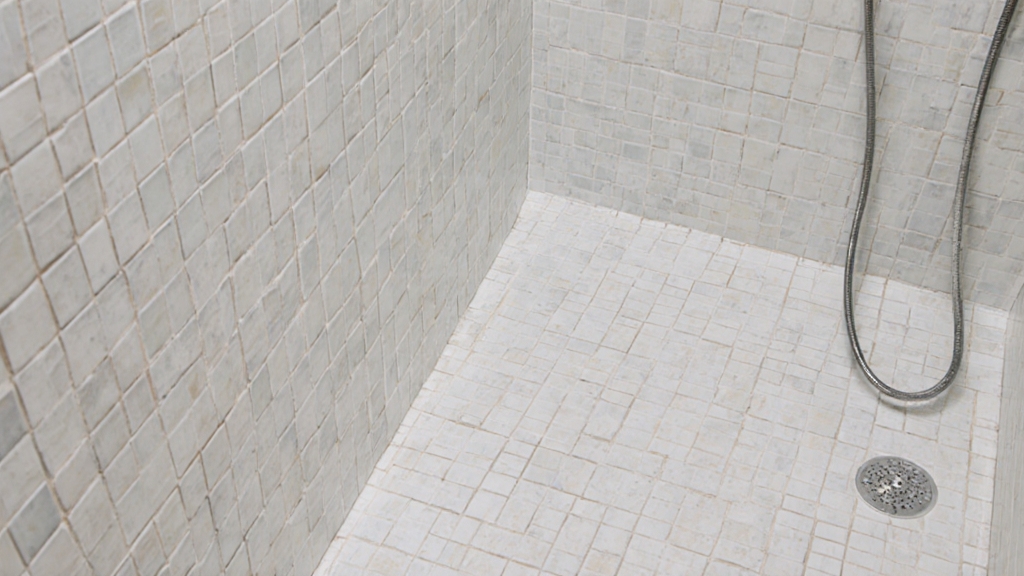
When you’re designing or renovating a tile shower, it’s crucial to prioritize waterproofing to prevent water damage and mold growth.
Start by implementing effective drainage techniques. Proper slope in your shower floor directs water toward the drain, guaranteeing it doesn’t pool and create problems. You should also consider using a pre-sloped shower pan, which can enhance drainage and simplify installation.
In your shower design, include a high-quality drain that’s appropriately sized for your space. This will help manage water flow and prevent overflow.
Additionally, think about using waterproof backer board instead of traditional drywall, as it resists moisture better.
Lastly, make certain all seams and joints are sealed with a waterproof caulk or membrane to create a barrier against leaks.
Choosing the Right Waterproofing Membrane for Your Shower
When it comes to waterproofing your shower, choosing the right membrane is essential.
You’ll find various types available, each with unique benefits and installation techniques.
It’s also important to be aware of common mistakes so you can avoid them during your project.
Types Of Waterproofing Membranes
Choosing the right waterproofing membrane for your shower is essential, as it directly impacts the longevity and functionality of your tile installation.
There are several types to assess. Liquid membranes are easy to apply and create a seamless barrier, perfect for complex shapes.
Sheet membranes offer reliable protection and are often used in commercial settings due to their durability.
Cementitious coatings provide a strong, waterproof layer but require proper technique for application.
Foam boards are lightweight and provide insulation along with waterproofing, making them great for reducing heat loss.
Finally, hybrid systems combine different materials for enhanced performance, offering versatility depending on your shower’s specific needs.
Evaluate these options carefully to choose the best fit for your project.
Installation Techniques Explained
Understanding the installation techniques for your chosen waterproofing membrane is crucial to guarantee a successful tile shower project. Proper methods guarantee your shower stays leak-free and stylish.
Here are some key steps to take into account:
- Plan your tile layout carefully to avoid difficult cuts.
- Gather essential waterproofing tools like trowels, caulking guns, and rollers.
- Verify the surface is clean and dry before applying the membrane.
- Follow the manufacturer’s instructions for application and curing times.
- Test the membrane for leaks before tiling to avoid future issues.
Common Mistakes To Avoid
Selecting the right waterproofing membrane for your shower can make or break your project, and several common mistakes can lead to costly repairs down the line.
One major error is believing waterproofing myths, like assuming that all membranes are the same. Different materials serve different needs, so research is vital.
Another common misconception is thinking that thicker membranes provide better protection; in reality, it’s about the material’s quality and installation.
Skipping the pre-slope is another pitfall; it’s important for proper drainage.
Finally, neglecting to check for compatibility with your tile can cause failures.
Preparing Your Shower Area: Essential Steps
Preparing your shower area is crucial for a successful tile installation, and there are several essential steps you shouldn’t overlook.
Proper shower area preparation guarantees a great foundation for your tiles and prevents future issues. Here are key steps to follow:
- Clear the area of any old materials and debris.
- Inspect for any damage or mold that needs addressing.
- Perform thorough tile surface cleaning to eliminate dust and grease.
- Level the floor to guarantee proper drainage.
- Apply a waterproof membrane to protect against moisture.
Top Tile Installation Practices to Prevent Leaks
When installing tiles in your shower, following best practices is essential to prevent leaks and guarantee a long-lasting finish. Start by choosing high-quality tile materials, such as porcelain or ceramic, which are durable and water-resistant. Make certain your shower design includes a proper slope toward the drain, allowing water to flow away effectively.
Next, use a reliable thin-set mortar to adhere the tiles securely to the substrate. This helps create a strong bond that can withstand moisture. Pay close attention to spacing between tiles; consistent gaps assure even grout application later.
Use quality thin-set mortar for a strong, moisture-resistant bond and maintain consistent tile spacing for even grout application.
Before grouting, inspect for any loose tiles or gaps in material. Addressing these issues now will save you from potential leaks down the line.
Finally, remember to stagger your tile joints for added strength and aesthetic appeal. By following these practices, you can enjoy a leak-free shower for years to come.
How to Seal Grout and Caulk Effectively
When sealing grout and caulk, it’s essential to choose the right sealant for your specific needs.
Applying even pressure during the process guarantees a smooth finish and effective barrier against water.
Don’t forget to schedule regular maintenance checks to keep everything in top shape.
Choose The Right Sealant
Choosing the right sealant is essential for ensuring your tile shower remains watertight.
With various sealant types available, understanding their differences can help you make the best choice. Here are a few options to evaluate:
- Silicone: Highly flexible and waterproof, perfect for corners and edges.
- Acrylic: Easy to apply, great for DIY projects, but less durable in wet areas.
- Epoxy: Extremely strong and resistant to mold, ideal for high-traffic showers.
- Polyurethane: Offers excellent adhesion and flexibility, suitable for various surfaces.
- Grout Sealants: Specifically designed to protect grout lines from stains and moisture.
When applying, follow the recommended application methods for each sealant to achieve the best results and maintain a watertight seal.
Apply Even Pressure
Applying even pressure is essential for sealing grout and caulk effectively, ensuring a watertight barrier in your tile shower.
When you’re working on your waterproof application, use a caulking gun for precise control. As you apply the sealant, maintain consistent tile pressure to create a smooth, even line.
Avoid pressing too hard, which can cause the sealant to overflow or create gaps. Instead, let the caulk flow steadily, and use your finger or a tool to smooth it out.
This technique helps to push the sealant into the joint while keeping it level with the tile surface. By focusing on even pressure, you’ll enhance the durability of your seal, preventing leaks and promoting a long-lasting, beautiful shower.
Regular Maintenance Checks
To keep your tile shower watertight, regular maintenance checks on grout and caulk are essential. By sealing these areas effectively, you can enhance moisture control and prevent damage. Here’s how to do it:
- Inspect regularly for cracks or gaps in grout and caulk.
- Clean the surfaces often to prevent mold and mildew buildup.
- Re-seal grout every six months or as needed to maintain integrity.
- Replace caulk if it’s peeling or damaged to guarantee a tight seal.
- Use a quality sealant specifically designed for bathrooms to maximize protection.
With these steps, you’ll guarantee your shower remains safe and dry, making regular cleaning and maintenance a breeze.
Common Mistakes to Avoid When Waterproofing Your Shower
While waterproofing your shower might seem straightforward, many homeowners unknowingly make critical mistakes that can lead to costly repairs down the line. One common error is using inadequate waterproofing materials that don’t suit your shower design, which can result in leaks. Another mistake is neglecting to properly prepare the surface before applying your waterproofing layer.
Here’s a quick table of mistakes to avoid:
| Mistake | Consequence |
| Using the wrong waterproofing materials | Increased risk of leaks |
| Skipping surface preparation | Poor adhesion and effectiveness |
| Ignoring manufacturer guidelines | Compromised waterproofing |
| Overlapping seams incorrectly | Weak points prone to leakage |
| Not sealing corners properly | Water damage in critical areas |
How Can You Test for Leaks in Your Shower?
How can you be sure your shower is leak-free? Regular leak detection and water testing can save you from costly repairs down the line.
Here are some effective methods to check for leaks:
- Visual Inspection: Look for damp spots on walls or ceilings near the shower.
- Water Meter Test: Turn off all water sources and check your water meter for changes.
- Dye Test: Add food coloring to the shower drain. If it shows up in the surrounding areas, you’ve got a leak.
- Bucket Test: Place a bucket in the shower and fill it. Measure the water level after 24 hours to see if there’s a drop.
- Listen: Pay attention for any unusual sounds, like dripping or running water when the shower isn’t in use.
How to Maintain Your Shower for Optimal Waterproofing
To keep your tile shower waterproof, regular maintenance is key.
Check the grout for cracks, schedule sealant applications, and guarantee your drainage system is functioning properly.
Regular Grout Inspection
Regular grout inspection is essential for maintaining the waterproof integrity of your tile shower, as even small cracks can lead to significant water damage over time.
To keep your shower in top shape, check for the following grout damage signs:
- Cracks: Look for visible fissures in the grout lines.
- Discoloration: Notice any changes in color; this can indicate grout discoloration causes like mold or mildew.
- Soft Spots: Press on the grout; it shouldn’t feel soft or crumbly.
- Water Accumulation: Watch for pooling water near the tiles.
- Separation: Verify the grout is firmly attached to both the tiles and adjoining surfaces.
Sealant Application Schedule
A consistent sealant application schedule is vital for preserving your tile shower’s waterproof barrier.
You should apply sealant every 6 to 12 months, depending on usage and humidity levels. Make certain to clean the surfaces thoroughly before application to guarantee proper adhesion.
Timing is important—apply the sealant when the tile is completely dry, as moisture can interfere with the sealant’s effectiveness.
After application, allow it to dry according to the manufacturer’s instructions, typically 24 hours, before using the shower.
Regularly check for signs of wear, and reapply as needed to maintain ideal waterproofing.
Drainage System Maintenance
Maintaining your shower’s drainage system plays a key role in preserving its waterproof integrity. Regular upkeep guarantees that water flows efficiently, preventing leaks and damage.
Here are some essential tips to keep your drainage solutions effective:
- Inspect for clogs: Regularly check and clear any debris from the drain.
- Check for proper sloping: Confirm the shower floor slopes toward the drain to facilitate water flow.
- Clean the drain cover: Remove hair and soap residue to avoid blockages.
- Test the drainage: Run water and observe if it drains quickly; slow draining indicates a problem.
- Schedule professional maintenance: Consider having a plumber inspect your system annually.
Preventing and Treating Mold and Mildew in Your Shower
While enjoying your tile shower, it’s easy to overlook the importance of preventing mold and mildew. Keeping your shower clean and dry is key to effective mold prevention and mildew control. Regularly wipe down tiles and grout, ensuring moisture doesn’t linger.
Here’s a simple guide to help you combat mold and mildew:
| Tip | Action |
| Ventilation | Use exhaust fans or open windows to reduce humidity. |
| Cleaning Solution | Mix equal parts water and vinegar for a natural cleaner. |
| Regular Checks | Inspect for leaks or cracks that can harbor moisture. |
| Quick Drying | Use a squeegee after each shower to remove excess water. |
Should You Hire a Professional for Shower Waterproofing?
When it comes to shower waterproofing, you might wonder whether hiring a professional is worth the investment. While a DIY approach can save you money, the risks of improper installation can lead to costly repairs down the line.
Here are some factors to evaluate when weighing professional vs DIY:
- Expertise: Professionals know the best materials and techniques.
- Time-saving: They can complete the job faster than you might on your own.
- Quality assurance: With a professional, you get a warranty on their work.
- Complexity: If your shower has unique features, a pro can handle them better.
- Long-term savings: Investing in expert work can prevent future waterproofing costs.
Ultimately, if you’re unsure about your skills or want peace of mind, hiring a professional might be the right choice for your shower waterproofing needs.
Upgrading Your Shower: When Is a Waterproofing Overhaul Needed?
How can you tell if it’s time for a waterproofing overhaul in your shower? If you notice leaks, mold, or a persistent musty smell, it’s likely time to contemplate a waterproofing upgrade. Regular maintenance is key, but understanding your waterproofing timeline is essential for long-term health.
Here’s a quick guide to help you assess your situation:
| Signs of Trouble | Action Needed |
| Water stains on walls | Check for leaks |
| Cracked tiles | Replace tiles |
| Mold growth | Remove and treat |
| Musty odors | Inspect waterproofing |
| Frequent repairs | Contemplate a full overhaul |
When thinking about shower upgrade considerations, remember that investing in proper waterproofing can save you from costly repairs down the line. Trust your instincts—if something feels off, it’s better to act sooner rather than later.
Frequently Asked Questions
How Long Does Waterproofing Last in Tile Showers?
A tile shower’s waterproofing lifespan typically lasts five to ten years, depending on usage and maintenance. Regularly inspect and maintain your shower to guarantee the waterproofing remains effective and extends its longevity.
Can I Use Regular Paint in a Waterproofed Shower?
No, you can’t use regular paint in a waterproofed shower. Instead, opt for specialized paint types designed for moisture-prone areas, ensuring compatibility with your shower materials for durability and a long-lasting finish.
What Is the Cost of Waterproofing a Tile Shower?
The cost of waterproofing a tile shower varies based on materials and labor. If you’re considering DIY waterproofing, you’ll save on labor costs but still need to invest in quality materials for effective results.
Is It Safe to Use a Shower After Waterproofing?
Yes, it’s safe to use your shower after waterproofing. Just verify the waterproofing techniques were applied correctly and allow sufficient drying time. Following these steps guarantees shower safety, preventing leaks and damage in the long run.
Are There Specific Cleaning Products to Avoid in Waterproofed Showers?
You should avoid harsh cleaning products containing bleach or acidic ingredients, as they can damage waterproofing. Stick to gentle, pH-balanced cleaners for effective shower maintenance while preserving your waterproofed surface’s integrity and longevity.
Final Thoughts
Proper waterproofing is the foundation of a long-lasting tile shower. When you use the right membrane, prep the shower correctly, seal seams and corners with care, and keep up with routine grout and caulk maintenance, you dramatically reduce the risk of leaks, mold, and expensive repairs down the road.
If you want added peace of mind, Atlanta Tile Installer can help you waterproof and install your shower the right way—whether you’re planning a full shower tile installation, upgrading a complete bathroom tile installation, or starting a broader tile installation in Atlanta.
Ready to get your project moving? Request a quote or schedule a consultation through the contact page, call 678-719-4859, or email admin@atlantatileinstall.com.
