
Choosing slip-resistant tile is essential for safety in your home or business. Look for tiles with a coefficient of friction (COF) of 0.6 or higher, especially in wet areas. Consider materials like ceramic or vinyl, and pay attention to texture and finish, as they impact grip. Maintenance is key to preserving slip resistance, so keep them clean and well cared for. By exploring your options, you’ll find the perfect balance of safety and style. You’ll discover more tips for making the right choice.
Key Takeaways
- Prioritize a slip-resistance rating of 0.6 or higher for residential areas to enhance safety against slips and falls.
- Choose materials like ceramic or vinyl tiles that balance durability and aesthetics while ensuring slip resistance.
- Opt for textured surfaces to improve grip, but consider maintenance requirements associated with rough textures.
- Regularly maintain tiles by cleaning debris and promptly addressing stains to preserve slip resistance over time.
- Consult with professionals for tailored advice on materials and installation practices that align with safety and design needs.
Why Slip-Resistant Tile Matters for Safety
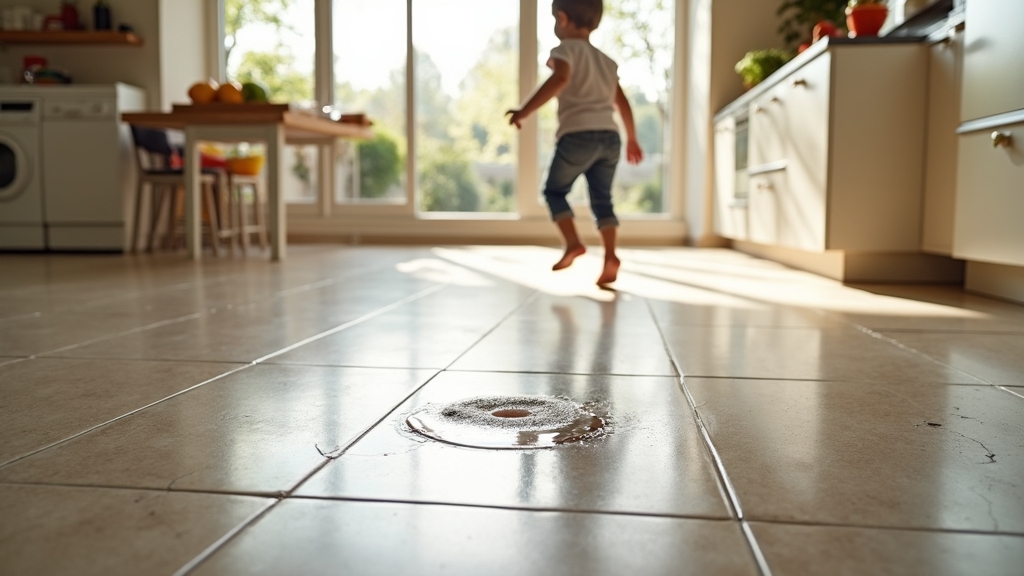
When it comes to safety in your home or business, choosing slip-resistant tile can make all the difference. These tiles play a vital role in accident prevention, greatly lowering the risk of slips and falls. By prioritizing injury reduction, you enhance surface safety for everyone who walks through your space.
Choosing slip-resistant tile is essential for enhancing safety and preventing slips and falls in your home or business.
When evaluating flooring options, think about the design considerations that fit your style while ensuring safety. Look for materials with high durability, as they’ll withstand wear and tear while maintaining their slip-resistant properties.
Effective installation techniques are essential, as improperly installed tiles can compromise safety. Regular maintenance practices also keep your tiles in top condition, ensuring they remain effective over time.
Finally, conduct thorough product comparisons to find the best slip-resistant tile that meets your safety needs without sacrificing aesthetics. Prioritizing these factors will enhance both home safety and the overall functionality of your space.
Understanding Slip-Resistance Ratings?
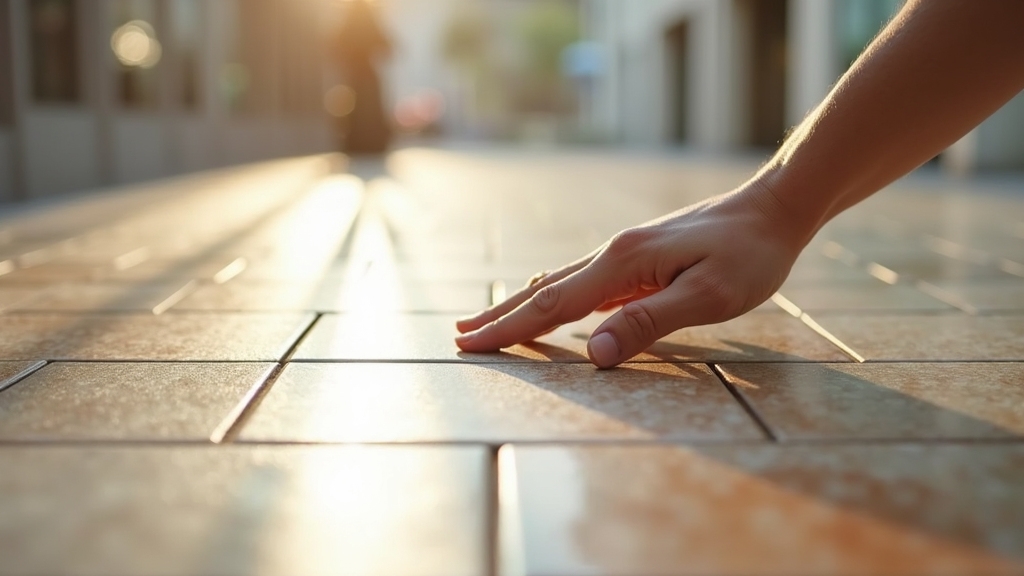
How do you know which tiles will keep you safest? Understanding slip-resistance ratings is key. These ratings are based on slip resistance standards, which vary by region and application.
The most common ratings come from ANSI and ASTM, which evaluate how well a tile resists slipping under wet or dry conditions.
Tile testing methods often involve measuring the coefficient of friction (COF). A higher COF indicates better slip resistance. For instance, a tile with a COF of 0.6 or higher is generally considered safe for residential areas, while commercial spaces may require even higher ratings due to increased foot traffic.
When choosing tiles, look for products with clear slip-resistance ratings on the packaging. This guarantees you’re selecting tiles that meet or exceed safety requirements.
Ultimately, understanding these ratings helps you make informed decisions, keeping your home or business safer for everyone.
Different Types of Slip-Resistant Tile Materials
Understanding slip-resistance ratings is just the first step; the materials used for slip-resistant tiles play a significant role in safety.
You’ll find a variety of ceramic options that offer durability and aesthetic designs, perfect for both residential choices and commercial suitability. Vinyl alternatives are another great option, known for their affordability and ease of installation.
Natural stones, like slate or travertine, provide unique textured surfaces, enhancing slip resistance.
When considering your budget, remember that while some materials are pricier, they often require less maintenance in the long run.
For installation methods, assess whether you’ll DIY or hire a professional, as this can influence your material choice.
Ultimately, weigh your maintenance tips against aesthetic preferences to guarantee you select the best slip-resistant tile for your needs.
How Texture Influences Slip Resistance
Texture plays an essential role in determining slip resistance, as surfaces with varied textures can greatly enhance grip underfoot. Through texture analysis, you’ll discover that surface patterns and material composition considerably impact how tiles perform in different environments.
For instance, rougher textures may improve traction, but they can also pose maintenance challenges, requiring more frequent cleaning.
Design implications are important; while you want safety, you also need to take into account aesthetic choices that align with market trends. Performance testing is critical to guarantee tiles meet safety standards, especially in high-traffic areas.
Be mindful of environmental factors, like moisture, which can affect slip resistance. User feedback is invaluable, as real-world experiences often highlight the practicalities of texture in everyday use.
Balancing safety and style is key—selecting the right texture can make all the difference in creating a secure and visually appealing space.
The Role of Tile Finish in Safety
While choosing tile for your space, the finish you select can greatly impact safety. A tile’s surface finish affects its slip resistance, making it essential for areas prone to moisture. Opting for finishes that offer a higher coefficient of friction can enhance safety, especially in kitchens and bathrooms.
Consider the finish durability, as some are more resistant to wear and tear than others. A durable finish can help maintain slip resistance over time, ensuring your tile remains safe as it ages.
You’ll also find a texture variety among finishes, from matte to gloss. While glossy finishes look appealing, they may be slippery when wet, so weigh aesthetics against safety.
Finally, keep in mind the maintenance requirements; some finishes may require more upkeep to prevent slipping hazards. By carefully selecting your tile finish, you can create a safe and stylish environment.
Choosing the Right Color for Slip-Resistant Tile
When choosing slip-resistant tile, the color you pick can greatly impact both safety and aesthetics.
Darker shades may hide dirt and stains better, while lighter colors can enhance visibility and brightness in a space.
Balancing functionality with style is key to creating a safe and inviting environment.
Color Impact on Safety
Choosing the right color for slip-resistant tile isn’t just about aesthetics; it can greatly impact safety. Color psychology plays an essential role in how you perceive your space. Lighter colors can brighten an area but may show dirt and spills more easily, while darker shades can hide these imperfections but may make a space feel smaller.
Design contrast is important, too; using contrasting colors can help define different areas, making it easier for people to navigate safely. For instance, a bright border around a darker tile can signal a change in flooring, reducing the risk of slips.
Ultimately, selecting the right color not only enhances your design but also promotes a safer environment.
Aesthetic vs. Functionality
Balancing aesthetics and functionality is essential when selecting slip-resistant tile colors. You want to guarantee your choice enhances the space while maintaining safety. Consider how different colors contribute to both aesthetic appeal and functional design.
| Color | Aesthetic Appeal | Functional Design |
| Light Gray | Modern & Sleek | Hides dirt easily |
| Navy Blue | Bold & Elegant | Shows less wear |
| Beige | Warm & Inviting | Reflects light for safety |
Where to Use Slip-Resistant Tile in Your Home
When you’re choosing slip-resistant tile, consider the key areas in your home where safety is essential.
The kitchen, bathroom, and outdoor patio are prime spots that can benefit from this type of flooring.
Kitchen Flooring Options
The kitchen is often the heart of the home, making it essential to choose the right flooring. Slip-resistant tile offers great tile durability, guaranteeing safety while enhancing your space.
When selecting, consider color variations that match your style preferences and current design trends. Explore different material choices like ceramic or porcelain, which provide various surface finishes for added grip.
Use proper installation techniques to assure longevity and minimize maintenance. Don’t forget to review cost comparisons to find options within your budget.
Finally, think about environmental considerations, opting for eco-friendly materials when possible. With these factors, you’ll create a safe, beautiful kitchen that suits your lifestyle.
Bathroom Safety Zones
While you may think of slip-resistant tile primarily for kitchens, it’s equally important in bathroom safety zones. Bathrooms are inherently wet spaces, making them slip zones where falls can easily occur. To enhance safety, focus on using slip-resistant tiles around bathtubs, showers, and sinks.
These areas are prone to water splashes, so selecting tiles with higher slip resistance is vital. Additionally, consider safe changes between different flooring types, such as from tile to carpet or laminate. Using slip-resistant tiles at these junctures can help prevent accidents when moving between surfaces.
Outdoor Patio Spaces
As you design your outdoor patio spaces, incorporating slip-resistant tile can greatly enhance safety and comfort. Not only does it improve your patio aesthetics, but it also guarantees outdoor durability.
Here are four key areas to reflect on for slip-resistant tile:
- Dining Areas: Prevent slips during meals or gatherings.
- Poolside: Keep the area safe when wet to avoid accidents.
- Walkways: Assure easy navigation, especially when it’s rainy.
- Steps and Ramps: Enhance safety while shifting between levels.
Choosing the right slip-resistant tile not only protects you and your guests but also complements your overall design.
With the right approach, you can create a stylish yet safe outdoor space that stands up to the elements.
Best Practices for Slip-Resistant Tile in Commercial Spaces
Choosing slip-resistant tile for commercial spaces requires careful consideration to guarantee safety and functionality.
Start by selecting tiles designed for high-traffic areas, ensuring they meet industry standards for slip resistance. Look for materials that can withstand wear over time without losing their grip.
In commercial applications, consider the specific environment—restaurants, retail shops, or hospitals may have varying needs.
Pay attention to the texture and finish of the tile; a rougher surface typically offers better traction.
Also, don’t overlook maintenance considerations. Regular cleaning is essential to prevent the buildup of grease or grime, which can diminish the tile’s slip-resistant properties.
Choose tiles that are easy to maintain, as this will save you effort and resources in the long run.
How to Care for Your Slip-Resistant Tile
To keep your slip-resistant tile in top shape, regular maintenance is key.
With the right cleaning techniques, you can guarantee your tiles remain safe and visually appealing. Here are four essential tips to follow:
- Sweep or Vacuum Regularly: Remove dirt and debris to prevent scratches and maintain traction.
- Use Mild Detergents: Clean your tiles with a pH-neutral cleaner to avoid damaging the surface.
- Mop with Warm Water: A damp mop works wonders; it removes grime without leaving excess moisture that could lead to slips.
- Address Stains Promptly: Treat spills or stains as soon as they happen to avoid permanent marks.
Budgeting for Slip-Resistant Tile
When budgeting for slip-resistant tile, it’s essential to contemplate not just the cost of the tiles themselves but also the installation and maintenance expenses.
Start by exploring various material options, as prices can vary considerably. For example, ceramic and porcelain tiles often offer budget-friendly choices, while natural stone can be pricier but may provide a unique aesthetic.
Next, make cost comparisons between different suppliers and brands.
Don’t forget to factor in installation costs, which can add up quickly depending on the complexity of your project. If you’re handy, you might save money by doing it yourself.
Additionally, consider long-term maintenance costs; some materials require more upkeep than others, affecting your budget over time.
Installation Tips for Slip-Resistant Tile
Installing slip-resistant tile can greatly enhance safety in your home, but getting it right requires attention to detail. Proper installation techniques and thorough surface preparation are essential for guaranteeing the tiles perform as intended.
Here are some key tips to follow:
- Choose the Right Adhesive: Use a high-quality adhesive suitable for slip-resistant tiles to guarantee a secure bond.
- Prepare the Surface: Clean and level the substrate. Any imperfections can affect tile performance and longevity.
- Follow the Manufacturer’s Instructions: Each tile type has specific guidelines. Stick to them for the best results.
- Grout Properly: Use a grout designed for slip-resistant tiles. This helps maintain their safety features and durability.
Testing Slip Resistance Before You Buy
How can you guarantee the slip-resistant tile you’re considering really lives up to its promise? Start by looking for specific product certifications that indicate the tile’s safety performance. These certifications often come from recognized testing organizations, which assess the tile using standardized testing methodologies.
Ask your supplier for details about how the tile was tested. Did they use a wet or dry test? Was the testing conducted on a variety of surfaces? Understanding the testing methodology gives you insight into how the tile will perform in real-life conditions.
Additionally, consider reading customer reviews and industry reports. These can provide real-world experiences and additional reassurance.
How Grout Affects Slip Resistance in Tiles
Even with slip-resistant tiles, grout plays a significant role in overall safety. The right grout can enhance or diminish the slip resistance of your flooring. Here’s what to take into account:
Even with slip-resistant tiles, selecting the right grout is crucial to enhancing overall safety and slip resistance.
- Grout Texture: A textured grout can provide additional grip, reducing the likelihood of slipping.
- Grout Color: Darker grout colors may hide dirt and stains better, encouraging regular cleaning, which keeps your tiles safe and slip-resistant.
- Joint Width: Wider grout joints can help channel water away, reducing puddles that can lead to slips.
- Maintenance: Regular maintenance of both tiles and grout is vital. Dirty grout can become slippery, so keeping it clean is essential.
Eco-Friendly Slip-Resistant Tile Options
While you search for slip-resistant tiles, consider eco-friendly options that not only enhance safety but also contribute to a sustainable environment.
Look for tiles made from sustainable materials like recycled glass, bamboo, or natural stone. These materials not only provide excellent slip resistance but also minimize environmental impact.
When choosing, check for eco certifications such as LEED or GreenGuard. These certifications guarantee the tiles meet strict environmental standards, giving you peace of mind about your purchase.
Eco-friendly tiles often come in various designs and colors, allowing you to maintain aesthetic appeal without sacrificing safety.
Current Trends in Slip-Resistant Tile Design
As you explore current trends in slip-resistant tile design, you’ll find a fascinating blend of style and functionality. Today’s tiles aren’t just safe; they’re also visually striking.
Discover the perfect harmony of style and safety with today’s visually striking slip-resistant tiles.
Here are some key trends to take into account:
- Modern Patterns: Geometric shapes and bold designs are becoming popular, adding a contemporary flair to your space.
- Innovative Materials: Manufacturers are using advanced materials that enhance grip without sacrificing aesthetics.
- Natural Looks: Tiles mimicking wood or stone provide a rustic charm while ensuring safety.
- Color Variety: From subtle neutrals to vibrant hues, there’s a slip-resistant tile for every design preference.
These trends show that you don’t have to compromise on style for safety. By selecting the right slip-resistant tile, you can create a beautiful yet functional environment in your home.
Common Mistakes to Avoid When Choosing Slip-Resistant Tile
When you’re choosing slip-resistant tile, it’s easy to overlook key factors that can impact both safety and style. One common misconception is that a higher texture always means better slip resistance. In reality, you need to take into account the tile’s material and its coefficient of friction as well.
Another mistake is ignoring the specific area where you’ll install the tile. Wet areas, like bathrooms and kitchens, require different slip-resistant properties than dry spaces.
Don’t forget to consult expert advice before making your final choice. They can guide you on appropriate finishes and patterns that enhance safety without compromising design.
Additionally, many people underestimate the importance of maintenance. A tile that’s difficult to clean can become slippery over time. By avoiding these pitfalls, you’ll guarantee that your slip-resistant tile is both stylish and safe for years to come.
Frequently Asked Questions
Can I Use Slip-Resistant Tile Outdoors?
Yes, you can use slip-resistant tile outdoors. Look for durable outdoor tile materials with textured options. These provide better grip, ensuring safety in wet conditions while enhancing your outdoor space’s aesthetics. Choose wisely!
How Do I Know if a Tile Is Truly Slip-Resistant?
To know if a tile’s truly slip-resistant, check its tile ratings and look for specific surface textures. Higher ratings indicate better slip resistance, while textured surfaces enhance grip, making them safer for wet areas.
Are There Specific Brands Known for Slip-Resistant Tiles?
Yes, several brands specialize in slip-resistant tiles. Look for options made from textured materials like porcelain or ceramic. Brands like Daltile and Marazzi often offer reliable choices that combine safety with stylish designs.
What Are the Best Cleaning Products for Slip-Resistant Tile?
For slip-resistant tile, use pH-neutral cleaners with gentle scrubbing techniques. Avoid harsh chemicals that can damage the surface. Regular tile maintenance, like mopping and sealing, keeps your floors safe and looking great.
How Does Humidity Affect Slip-Resistant Tile Performance?
Humidity can impact slip-resistant tile performance by increasing moisture absorption. A tile’s texture may become slick when wet, reducing traction. You should choose tiles designed to maintain grip even in humid conditions for safety.
Final Thoughts
Slip-resistant tile is one of the simplest ways to make a space safer without giving up design. By focusing on key details like a strong slip-resistance rating, the right material for wet areas, and finishes or textures that improve traction, you can reduce fall risks while still achieving a clean, modern look. Just as important, proper installation and consistent upkeep help your tile maintain its grip and performance over time.
If you want help selecting the best tile for your bathroom, shower, kitchen, or commercial space, Atlanta Tile Installer is ready to guide you from tile selection to expert installation. Explore our tile installation services for full-project support, or contact us directly to discuss your needs and get a clear plan in place: Schedule a consultation.