
To clean and maintain your shower tiles, start by choosing the right cleaning products based on the tile type. For soap scum, mix equal parts vinegar and water, spray on the tiles, and scrub tough spots with baking soda. Establish a weekly cleaning routine and wipe down surfaces after each use to prevent stains. Don’t forget to seal grout lines and use an exhaust fan to limit moisture. Stick around to learn expert tips for keeping your tiles sparkling!
Key Takeaways
- Choose appropriate cleaning products based on tile type, using strong cleaners for ceramic and porcelain, and caution with natural stone.
- Regularly clean shower tiles at least once a week to prevent soap scum and mold growth, and wipe surfaces after each use.
- Use a vinegar and water solution or baking soda paste for effective stain and soap scum removal; rinse thoroughly afterward.
- Seal grout lines to protect against moisture and stains, and deep clean grout biannually with professional products.
- Establish a consistent maintenance routine to enhance tile longevity, prevent costly damage, and improve overall hygiene.
Choosing the Right Cleaning Products for Shower Tiles
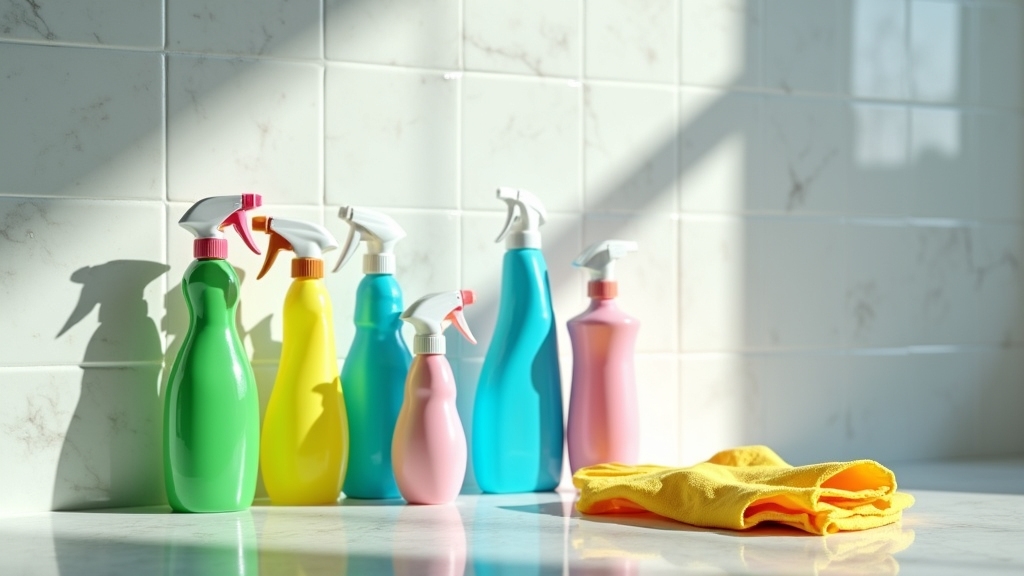
When you’re ready to tackle those grimy shower tiles, choosing the right cleaning products is essential.
First, consider your tile type; ceramic, porcelain, and natural stone all have different needs. For ceramic and porcelain, a strong cleaner can work wonders, but be cautious with natural stone, as acidic cleaners can damage the surface.
Consider your tile type—ceramic and porcelain tolerate strong cleaners, but natural stone requires caution with acidic products.
You might want to explore eco-friendly options, which are often gentler on both your tiles and the environment. Look for products that contain plant-based ingredients and avoid harsh chemicals.
Vinegar and baking soda can be great DIY alternatives, especially for light stains.
Always test a small area first, ensuring your chosen product won’t harm the finish.
Step-by-Step Guide to Removing Soap Scum
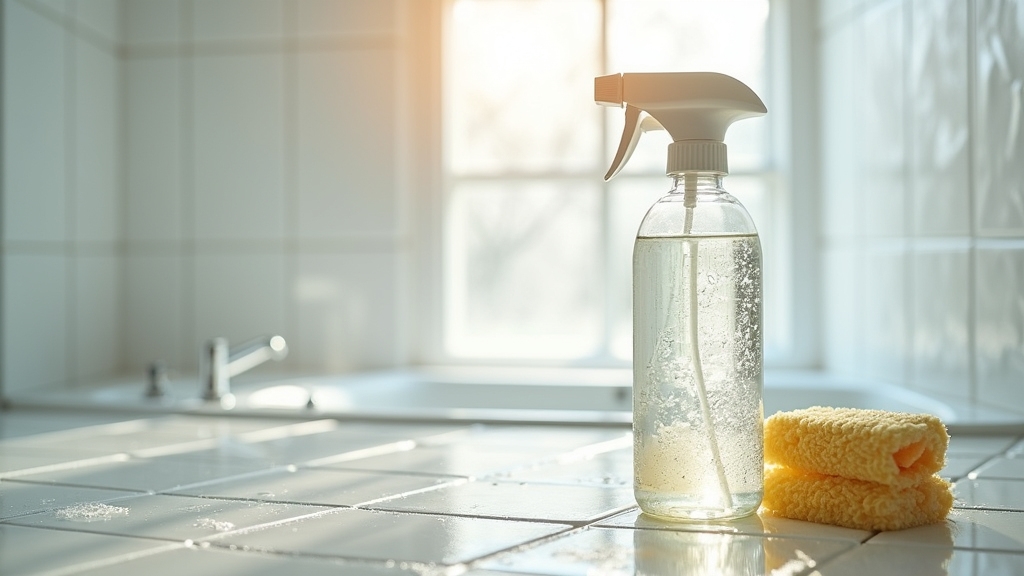
Removing soap scum from your shower tiles can be quick and easy with the right approach. Start by mixing equal parts of vinegar and water in a spray bottle. Spray the solution generously on the affected areas, letting it sit for about 10 minutes. For tougher spots, sprinkle baking soda on top and scrub with a soft brush.
Here’s a handy table for your reference:
| Method | Eco-Friendly Alternative |
| Vinegar & Water | White vinegar |
| Baking Soda | Sea salt |
| Dish Soap | Castile soap |
| Lemon Juice | Citric acid |
| Essential Oils | Tea tree oil |
Rinse thoroughly with water afterward to prevent future build-up. For ongoing soap scum prevention, consider using an eco-friendly squeegee after each shower. Keeping your tiles clean doesn’t have to be a chore!
Effective Techniques for Removing Common Shower Tile Stains
To tackle common shower tile stains, you’ve got some effective techniques at your fingertips.
You can try a baking soda paste, mix vinegar with water, or use commercial tile cleaners.
Each method has its strengths, so let’s explore how to use them effectively.
Baking Soda Paste Method
While tackling those stubborn stains on your shower tiles might seem intimidating, the baking soda paste method offers an effective and straightforward solution.
This cleaning paste not only lifts grime but also deodorizes your tiles, leaving them fresh and sparkling. Here’s how to make the most of it:
- Mix: Combine baking soda with water to create a thick paste.
- Apply: Spread the paste over stained areas using a cloth or sponge.
- Sit: Let it sit for about 10-15 minutes to break down the stains.
- Scrub: Gently scrub with a brush or cloth to lift the stains.
- Rinse: Rinse thoroughly with water to reveal clean tiles.
Using this method regularly can keep your shower tiles looking their best!
Vinegar and Water Solution
A simple vinegar and water solution can work wonders for tackling common stains on your shower tiles. Just mix equal parts of white vinegar and warm water in a spray bottle.
The vinegar benefits include its natural acidity, which helps dissolve soap scum and mildew without harsh chemicals. Spray the solution generously onto the stained tiles, allowing it to sit for about 10-15 minutes. This gives the vinegar time to penetrate and break down stubborn grime.
Afterward, scrub the tiles with a soft brush or sponge, then rinse thoroughly with water. You’ll notice a significant difference in cleanliness, and you’re using an eco-friendly method that’s safe for your home.
It’s a simple, effective way to keep your shower tiles looking fresh!
Commercial Tile Cleaners
If you’re facing stubborn stains on your shower tiles that vinegar can’t tackle, commercial tile cleaners can be a game changer.
These products often offer stronger formulations that effectively lift grime and restore shine. However, it’s essential to compare options to find what works best for you.
- Look for eco-friendly options that minimize harsh chemicals.
- Consider gel-based cleaners for vertical surfaces.
- Check reviews for proven effectiveness against mildew.
- Confirm the product is safe for your tile type.
- Compare prices to find the best value.
How to Prevent Stains in Your Shower
To keep your shower tiles looking pristine, establish a regular cleaning schedule.
Don’t forget to seal the grout lines, as this can greatly reduce stain buildup.
With these simple habits, you’ll maintain a fresh and clean shower space.
Regular Cleaning Schedule
Establishing a regular cleaning schedule is essential for preventing stains in your shower. By sticking to a consistent routine, you’ll enhance your tile maintenance and keep your shower looking fresh.
Here are some tips to help you stay on track:
- Clean tiles at least once a week for ideal shower cleaning frequency.
- Use a gentle cleaner to avoid damaging the tiles.
- Wipe down surfaces after each use to prevent soap scum buildup.
- Set reminders on your calendar for monthly deep cleans.
- Keep cleaning supplies handy for quick touch-ups.
Seal Grout Lines
Sealing grout lines is an essential step in protecting your shower from stains and moisture damage. By applying a high-quality grout sealer, you create a barrier that prevents water and dirt from penetrating the grout. This not only keeps your shower looking fresh but also reduces the chances of mold and mildew growth.
To begin grout sealing, make certain the grout is clean and dry. Apply the sealer using a small brush or applicator, following the manufacturer’s instructions.
After sealing, allow it to cure properly for best results. For ongoing grout maintenance, reapply the sealer every six to twelve months, depending on usage.
Why Regular Tile Maintenance Matters
While it might seem tempting to overlook regular tile maintenance, neglecting it can lead to bigger issues down the line. Keeping up with your shower tiles isn’t just about looks; it’s crucial for several reasons:
- Improves tile longevity
- Enhances aesthetic appeal
- Boosts health benefits through mold prevention
- Increases property value
- Prevents costly water damage
Regular maintenance routines guarantee your tiles remain durable and stain-resistant.
By adhering to a consistent cleaning frequency, you can protect against mold and mildew, which thrive in damp environments. This not only keeps your bathroom looking fresh but also safeguards your family’s health.
A well-maintained shower reflects your commitment to your home, adding to its overall value and providing a welcoming space.
Natural Shower Tile Cleaning Remedies
When it comes to cleaning your shower tiles naturally, you’ve got some powerful allies in your pantry.
Vinegar and baking soda create a potent duo for tackling tough stains, while a lemon juice solution offers a revitalizing alternative.
Let’s explore how these simple ingredients can make your tiles shine without harsh chemicals.
Vinegar And Baking Soda
Transform your shower tiles with the powerful duo of vinegar and baking soda. This natural cleaning remedy harnesses vinegar benefits, like its ability to dissolve mineral deposits and grime.
When combined with baking soda, the reactions create a foaming action that lifts dirt effortlessly. Here’s how to make the most of this combo:
- Mix equal parts vinegar and water in a spray bottle.
- Sprinkle baking soda directly on the tiles.
- Spray the vinegar solution over the baking soda.
- Let it sit for 10-15 minutes to maximize the cleaning power.
- Rinse thoroughly with warm water.
Using this method regularly will keep your tiles sparkling clean and free from mold, making your shower a revitalizing space to enjoy.
Lemon Juice Solution
Lemon juice is a powerful natural cleaner that can brighten your shower tiles with ease. Its citrus cleaning power cuts through grime and soap scum while leaving a fresh scent. To create a lemon juice solution, mix equal parts lemon juice and water in a spray bottle. Spray it on your tiles, let it sit for about 10 minutes, then scrub with a soft brush and rinse thoroughly. Here’s a quick look at the lemon juice benefits:
| Benefit | Description |
| Natural Disinfectant | Kills bacteria and mold |
| Brightening Agent | Enhances the shine of tiles |
| Eco-Friendly | Non-toxic alternative to harsh chemicals |
| Fresh Scent | Leaves your shower smelling clean |
Give it a try, and enjoy sparkling tiles!
Should You Use a Steam Cleaner for Shower Tiles?
Have you ever wondered if a steam cleaner is the right tool for tackling shower tiles? Using a steam cleaner can offer some significant benefits, but it also has its drawbacks. Here’s what you should consider:
Considering a steam cleaner for your shower tiles? Explore the impressive benefits and potential drawbacks before making a decision.
- Deep Cleaning: Steam penetrates grout and tile surfaces effectively.
- Chemical-Free: It sanitizes without harsh chemicals, making it eco-friendly.
- Time-Saving: Quick heating means less wait time for effective cleaning.
- Versatile: Can be used on various surfaces beyond tiles, like glass and fixtures.
- Mold and Mildew: Effectively eliminates stubborn mold and mildew.
However, steam cleaner drawbacks include the potential for damage to some tile materials and the need for regular maintenance of the machine itself.
Before diving in, weigh these pros and cons to decide if a steam cleaner fits your cleaning routine for shower tiles.
Tips for Cleaning Different Tile Materials
While steam cleaners can be an effective option for many, knowing how to clean different tile materials is equally important.
For ceramic tiles, a mixture of warm water and mild detergent works wonders, while glass tiles shine with a vinegar-water solution.
Porcelain tiles require a bit more care; use pH-balanced cleaners to prevent damage.
If you have natural stones, stick to eco-friendly options that won’t harm their surface textures.
Mosaic tiles can trap dirt in grout colors, so scrub them gently with a soft brush and a suitable cleaner.
Always choose the right cleaning tools; microfiber cloths and soft sponges help avoid scratches.
Regular maintenance tips include sealing natural stones and keeping grout lines clean to enhance longevity.
Preventing Mold and Mildew Growth
To keep mold and mildew at bay in your shower, it’s essential to maintain proper ventilation and moisture control.
Effective mold prevention starts with consistent shower maintenance and a few simple practices. Here are some tips to help you achieve mildew resistance:
- Use an exhaust fan: Run it during and after your shower to reduce humidity levels.
- Open windows: If possible, let fresh air circulate to aid in humidity control.
- Wipe down tiles: After each use, a quick wipe can prevent water buildup.
- Choose mold-resistant products: Opt for tiles and grout designed for moisture management.
- Establish a cleaning frequency: Regular cleaning helps combat mold growth.
Sealing Natural Stone Tiles
Sealing natural stone tiles is essential for protecting their beauty and longevity, especially since they’re more porous than other materials. Using proper sealing techniques not only enhances their appearance but also provides long-term benefits.
| Surface Type | Recommended Sealing Products | Application Methods |
| Marble | Penetrating sealers | Spray or wipe |
| Granite | Impregnating sealers | Brush or sponge |
| Limestone | Enhancing sealers | Roller |
| Travertine | Water-based sealers | Cloth |
| Slate | Solvent-based sealers | Foam applicator |
Consider the maintenance frequency as well; typical sealing lifespan ranges from 1 to 5 years, depending on environmental factors. Regular reapplication of protective coatings will keep your tiles looking fresh and prevent stains. Understanding these aspects will guarantee your natural stone tiles remain stunning for years to come.
Best Practices for Grout Maintenance
To keep your grout looking fresh, it’s essential to stick to a regular cleaning schedule.
You’ll also want to seal your grout lines to protect against stains and moisture.
When accidents happen, knowing effective stain removal techniques can save the day.
Regular Cleaning Schedule
Establishing a regular cleaning schedule is key for maintaining grout and keeping your shower tiles looking fresh.
Consistent cleaning helps prevent mold and mildew buildup, ensuring your bathroom remains inviting.
Here’s a maintenance checklist to reflect upon:
- Daily: Wipe down tiles and grout after each shower.
- Weekly: Clean with a gentle cleaner, focusing on grout lines.
- Monthly: Scrub grout with a soft brush and a vinegar solution.
- Biannual: Deep clean with a professional product or service.
- As needed: Address stains or discoloration immediately to prevent lasting damage.
Sealing Grout Lines
While you might think cleaning grout is enough, sealing it’s essential for long-term protection against stains and moisture. Grout sealing techniques can vary, but a high-quality sealant prevents dirt and mildew from penetrating your grout lines.
Start by ensuring your grout is completely dry before applying the sealant. Use a small brush or applicator for even coverage.
When choosing a sealant, consider your grout color options; some sealants can enhance or alter the appearance of your grout. Always follow the manufacturer’s instructions for the best results.
Regularly check your grout for wear and reapply the sealant as needed. This simple step can save you time and effort in maintaining a clean, beautiful shower.
Stain Removal Techniques
Even if you’ve sealed your grout lines, stains can still occur, so knowing effective stain removal techniques is essential. Different stain types can cling to various tile materials, making it vital to choose the right approach.
Here are some best practices:
- Use eco-friendly options like vinegar and baking soda for DIY cleaners.
- Identify stubborn stains early and treat them promptly.
- Employ proper scrubbing techniques with soft brushes to avoid damaging grout.
- Establish regular cleaning frequencies to prevent buildup.
- Debunk common cleaning myths, like using bleach on all stains, which can harm certain tiles.
When to Regrout Your Shower?
When should you consider regrouting your shower? If you notice cracks, discoloration, or mold in your grout, it’s time to act.
Grout durability is essential for a long-lasting shower, and damaged grout can lead to water leaks and further issues. Pay attention to grout color; if it’s uneven or stained despite regular grout cleaning, regrouting is a wise choice.
Different grout types may require various grout applications, so be sure to use the right one for your tiles. Additionally, if you haven’t performed grout maintenance or sealing in a while, it might be time to refresh your shower’s appearance.
Regrouting can also be a form of grout repair, restoring not just the look but also the integrity of your tiles. Don’t wait until it’s a bigger problem; addressing these signs early can save you time and money down the line.
Common Mistakes to Avoid in Tile Cleaning
Cleaning shower tiles can be straightforward, but you might unknowingly make mistakes that hinder your efforts. Avoid these common tile cleaning pitfalls:
- Neglecting grout maintenance
- Using bleach indiscriminately
- Over scrubbing tiles
- Ignoring water spots
- Choosing improper tools
Many maintenance myths suggest that scrubbing harder means cleaner tiles, but that can damage surfaces. Additionally, cleaning frequency matters; letting grime build up makes your job harder.
Be mindful of product compatibility; not all cleaners work well together and some can have a negative environmental impact.
Avoid ignoring grout, as it’s just as important as the tiles themselves.
Finally, don’t overlook water spots—they can lead to long-term damage. By steering clear of these mistakes, you’ll enhance your cleaning routine and keep your shower tiles looking their best.
Expert Tips for Keeping Your Shower Tiles Sparkling
Avoiding common mistakes in tile cleaning sets the stage for a sparkling shower.
Start with a solid maintenance routine that includes regular cleaning. Use eco-friendly options to keep your tiles shiny without harsh chemicals. Invest in quality cleaning tools like soft brushes and microfiber cloths to avoid scratching your tiles.
Establish a consistent cleaning routine with eco-friendly products and quality tools to keep your tiles shining and scratch-free.
Don’t forget grout protection—apply a grout sealer to maintain its appearance and prevent mold buildup. Consider aesthetic upgrades, like colorful tiles, to enhance your shower aesthetics while ensuring tile longevity.
For those DIY enthusiasts, create a simple cleaning solution using vinegar and baking soda. This effective mix controls moisture and prevents soap scum.
Regularly wipe down tiles after each shower to minimize buildup.
These expert tips will help you maintain your shower tiles, ensuring they remain sparkling and inviting for years to come.
Frequently Asked Questions
How Often Should I Clean My Shower Tiles?
You should clean your shower tiles weekly for the best results. Sticking to this cleaning schedule helps prevent mold and grime buildup, ensuring your shower stays fresh and inviting every time you step in.
Can I Use Vinegar on All Tile Types?
You can’t use vinegar on all tile types. While it’s great for ceramic and porcelain, vinegar’s acidity can damage natural stone tiles. Always check your tile type to enjoy vinegar’s benefits without harming your surfaces.
What’s the Best Way to Dry Tiles After Cleaning?
To dry tiles after cleaning, use absorbent towels or a squeegee for quick drying. For thorough tile drying, consider using a fan or opening windows to enhance airflow and reduce moisture effectively.
How Can I Remove Hard Water Stains?
To remove hard water stains, mix equal parts vinegar and water in a spray bottle. Spray the solution on the stains, let it sit for a few minutes, then scrub gently and rinse thoroughly.
Are There Specific Tools for Cleaning Grout Effectively?
Yes, using grout brushes helps scrub away dirt effectively. For deeper cleaning, steam cleaners can penetrate tough stains and sanitize grout. Together, these tools make maintaining clean grout easier and more efficient for you.
Final Thoughts
Keeping shower tiles clean comes down to consistency and using the right approach for your tile type. When you stay on top of weekly cleanings, wipe down surfaces after each use, and protect your grout with proper sealing, you prevent soap scum, stains, and moisture-related issues before they become bigger (and more expensive) problems. A simple routine goes a long way toward preserving the look of your shower and extending the life of your tile.
If you’re dealing with stubborn grout, recurring staining, or you’re ready to upgrade your shower with a fresh look, Atlanta Tile Installer is here to help. From expert shower tile installation to complete bathroom tile installation, we’ll make sure your tile is installed and finished the right way for lasting performance. Reach out today to schedule your next step: Contact us here.